
It seems we have an abundant supply of raw materials in the form of minerials, forming a wonderful array of substances we can then convert into other things. Nature and time working together on some very spectaular projects. One of my favourites, probably because like many people, seeing and learning of it as a child captivated me. Known as Fool’s Gold so of course, you see it and think it’s gold, but when I learnt it wasn’t real and just nature creating a ‘mock’ version, the special feeling I got when I looked at it didn’t go away. So, although it’s value may not be high in monetary terms, what it is still has value to me. And in practical terms it is used to make batteries, radio receivers, and paper they say in industry, so is of some value in the commercial world.
It turns out though, there are a number of different types of pyrite, which I didn’t know until I started researching for this piece, and interestingly, most of them do not occur in overlapping regions. Apart from one it seems, Russia. That lists two of the know types, but all the others appear to be geographically very specific. The main types are –
Sun disk pryite – only found in the US, specfically only in the region of Illinois.
Rainbow pyrite – only found in Russia
Octahedral pyrite – this is found in Peru, Mexico, Ontario and Canada.
Pyrite iron cross twins – found in Germany, Italy, Slovenia and Colombia.
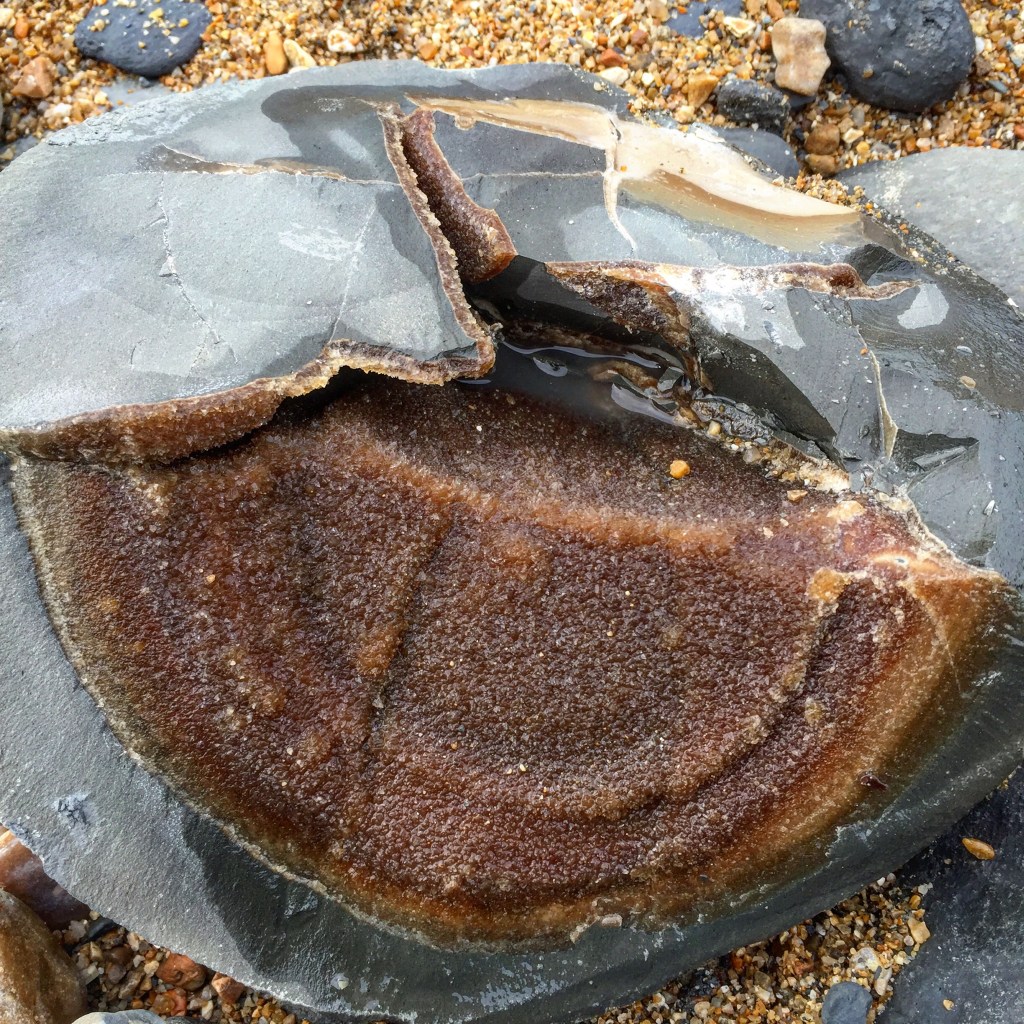
Pyrite nodules – forming over millions of years, found in China, Russia, Turkey, Wales and chalk cliffs.
Pyritised Ammonite – only seems to be found in the UK, at Lyme Regis, Charmouth and Stonebarrow. I have actually been to Charmouth myself fossil hunting a number of years ago, and found quite a few which I have to say, was super exciting. The picture below is one of my finds that day.
It’s another of those interesting things that geology throws up or we ‘discover’ it, and then we take it further to uncover what it is, work out how it formed and ultimately, what we can turn it into.
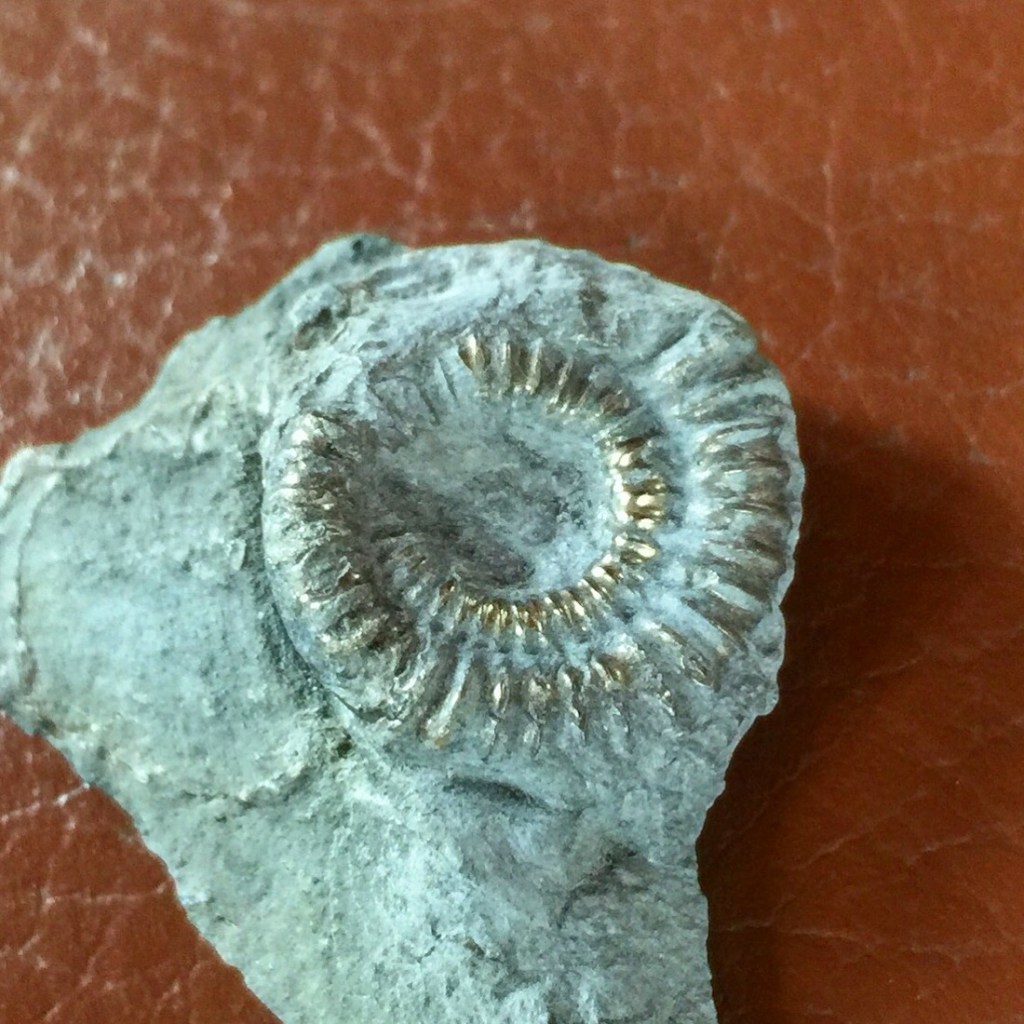
(c) K Wicks





 MKW Publishing