The World’s A Stage, Or A Fair

The world’s fairs. I hadn’t even heard of them until a few years ago. There are various videos and theories on the internet about them, the public reasons for them, and of the ideas that they might not be as they seem. I have also mentioned them briefly in my article Just Passing Through, and after giving them more thought decided they deserved their own article, although maybe not entirely from the same angle as others people’s speculations.

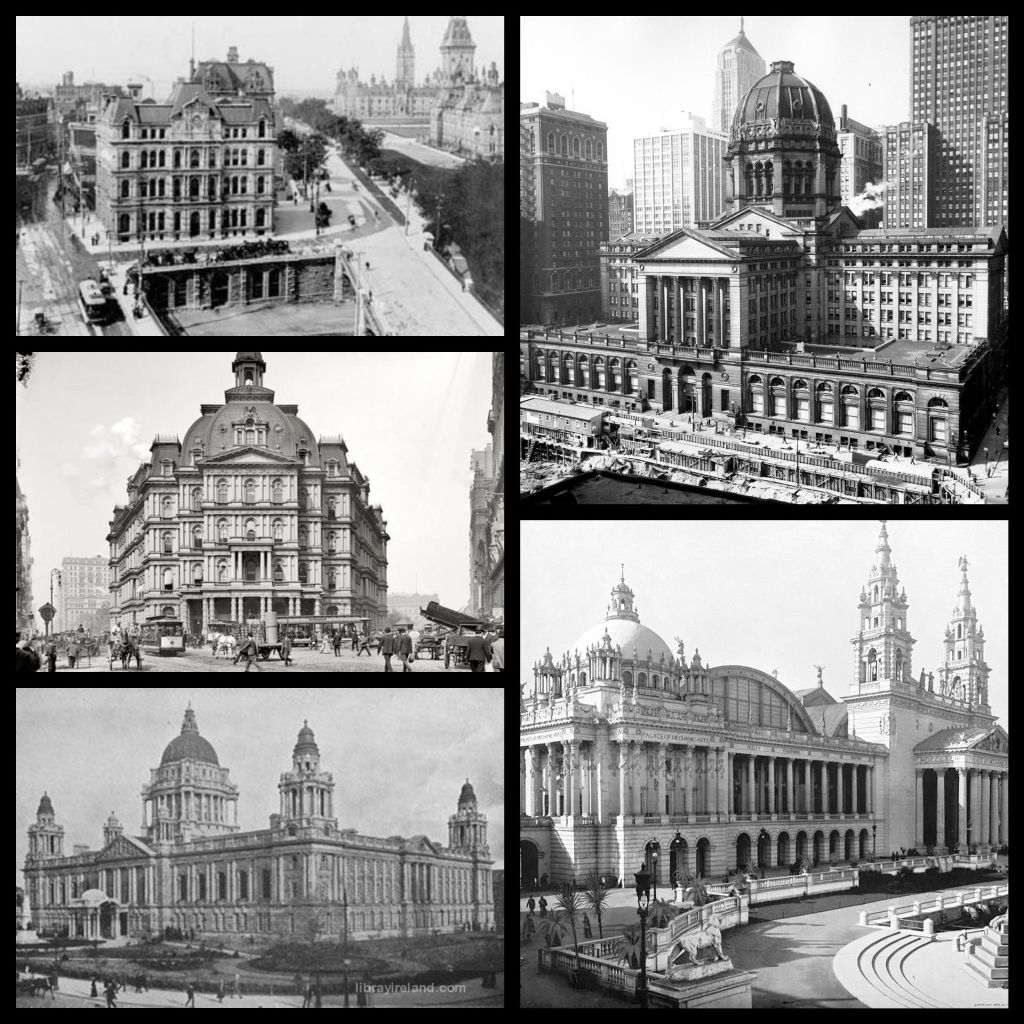
On the face of it, they appear as what they say they are, and as we still have them today, it would seem there is nothing to see here. Although these days, despite being more advance technologically, we don’t go to half the effort we once did – check out the Chicago World’s Columbian Exposition 1893 (wiki) for a bit more on what I mean there and how seemingly splendid and temporary these sites and venues were. You can see why people might ask questions, my own personal thoughts being how wasteful a time it was if they could indeed construct things like that just to destroy it after. As well as all the other rather magnificent building that were all ‘founded’ around 1850 onwards and seemed to be the norm, despite often small or tiny populations – my article The Old World looks at that point in history a bit. A big time for skilled workmen, lots of money and materials, and locations for these sites being no object – I must be thinking of a much poorer late 1800’s which doesn’t seem to have been there after all, not with the ‘evidence and history’ we see around us. Currently called Expo’s and still being held in big cities, although mostly in already established venues, hired for purpose, and showing off new and innovative ideas and inventions to the travellers who make their way to them. People work at them; people visit them and technology is distributed from them as far as I know.

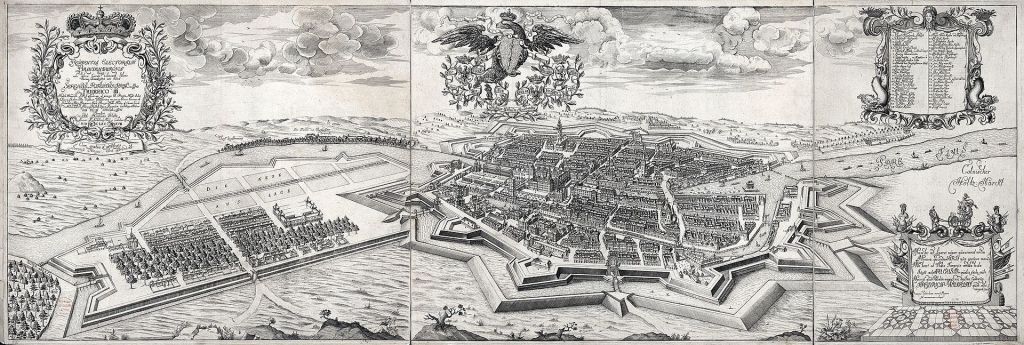
In Dublin during the famine times, they had one of these fairs. Because famine, war and disaster create vast amounts of wealth for some, and industry doesn’t stop because of these things, it thrives. Much changed in Ireland over those few years, millions starved, millions left – conveniently offered passage to New York we are led to believe. Needing numbers to fill up the cities that had been built for them perhaps. And it strikes me as similar to now, how they create a problem in an area, and then ‘encourage’ the locals to leave, either by bribery, force and whatever it takes to clear an area, and create another where you would like one, with minimal fuss and kickback. But as much easier way than stealing people in slavery emerged, convince them to sign up and go where they are needed themselves. Offer them ‘wages’ and appear to compensate them for their time and life being given in service. An exchange, so it looks like an agreement, but one which has been made to appear that way. Because now it has stepped up a gear, and they are making it clear you won’t be getting a choice in the future about who’s slave to be, or what trade to be a slave to, or how much you can demand for your slave wage. Instead, we are now becoming a slave to technology, and those that control and distribute it. They hold people to ransom with it already, slowly closing any gaps and loopholes that some may find to keep themselves out of the grid.

They would have been perfect opportunities to encourage all the innovative people with bright ideas to step forward, to try and get investment and share their ideas with the captains of industry. Who then could very neatly tie them up, for later use, or to corner the current market. I always thought patent offices were also a handy way to make sure you get to see all the clever stuff first, to commandeer the ideas and inventions and therefore the future. I can easily see now why some people may have kept their rather genius ideas to themselves. To stop it falling into the wrong hands, and all that…
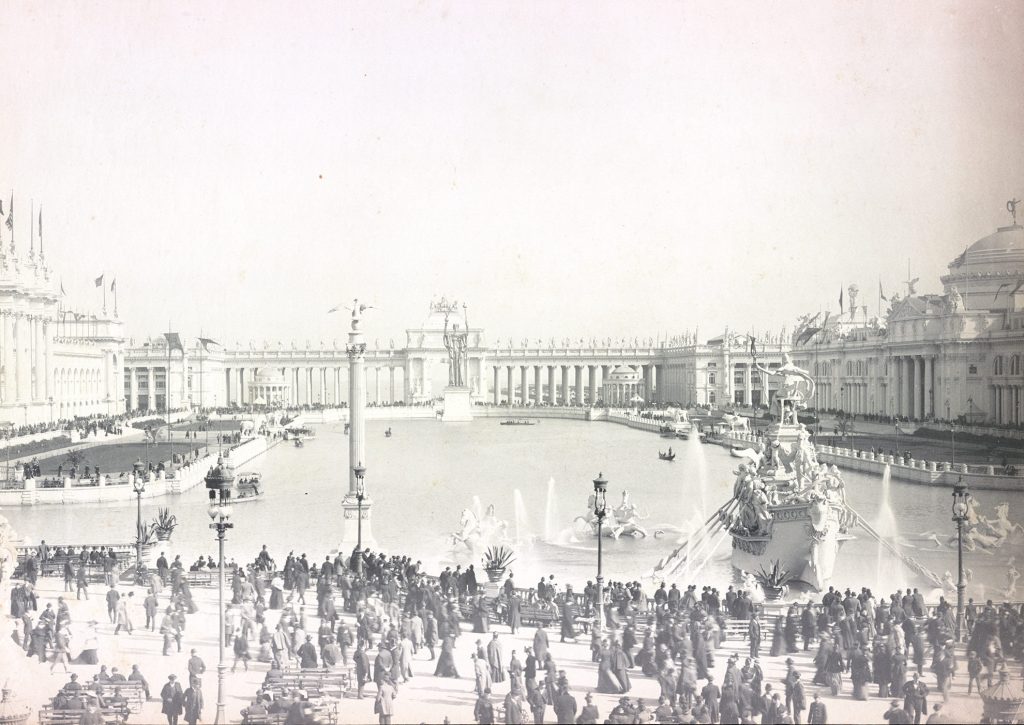
The World’s Columbian Exposition – The White City and fairgrounds 

(c) K Wicks

The Old World

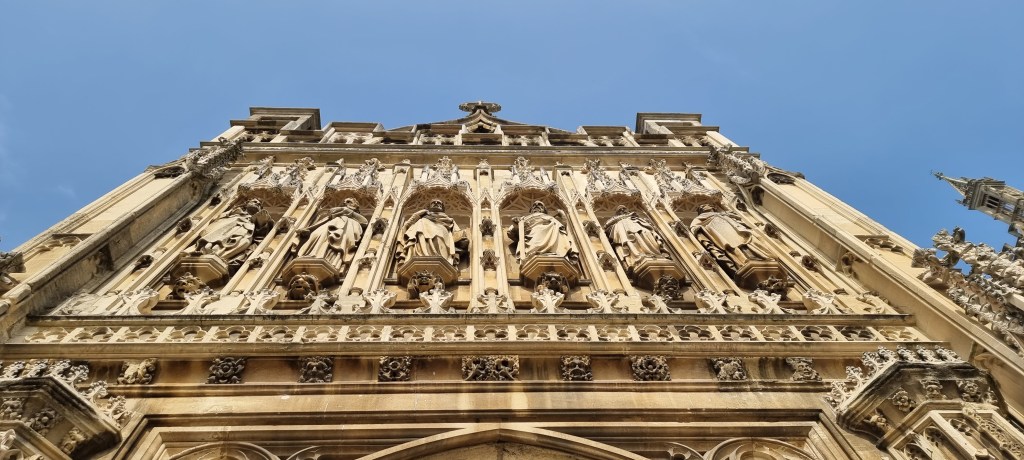
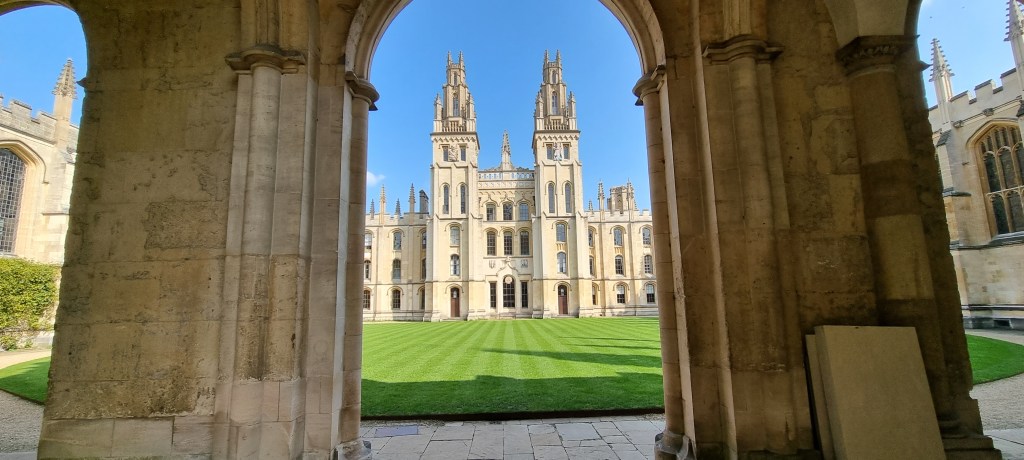
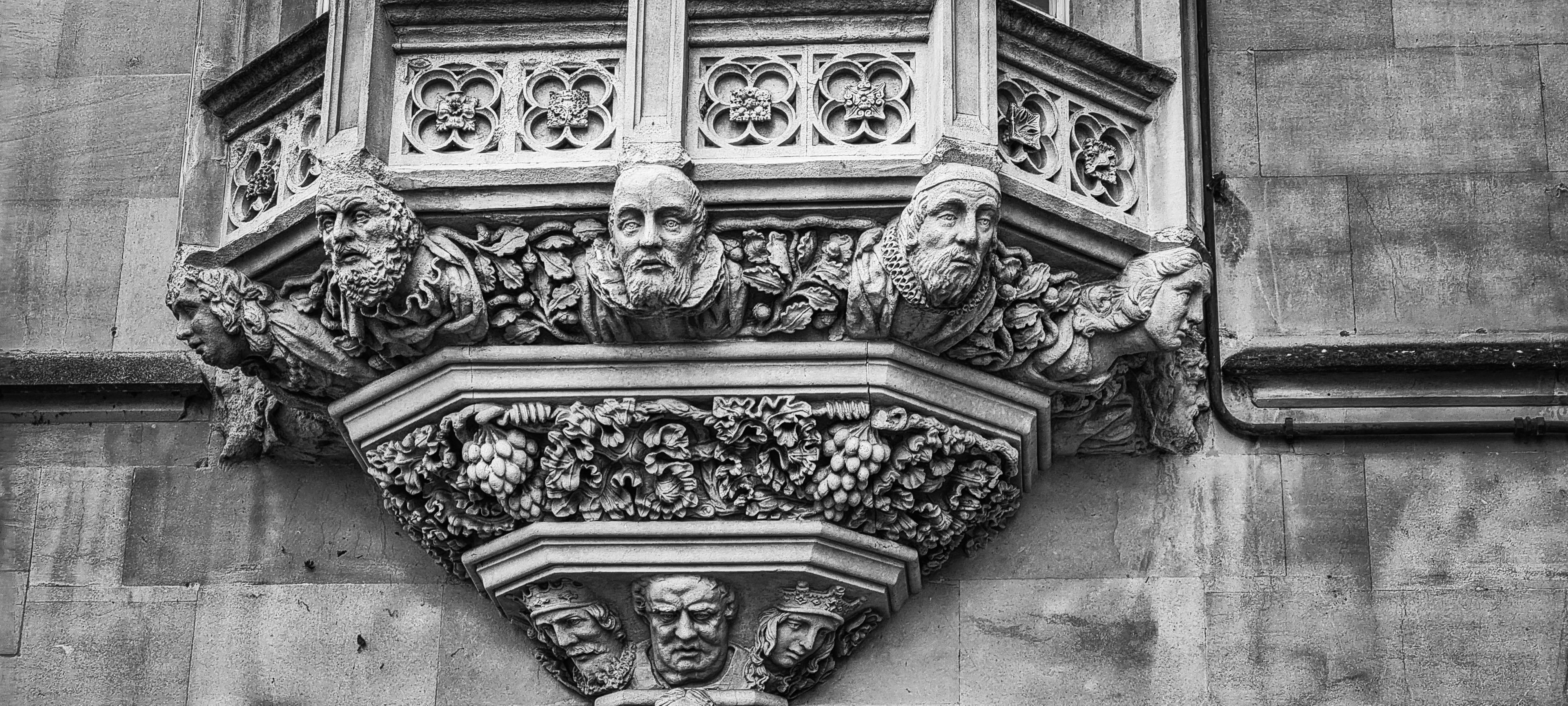
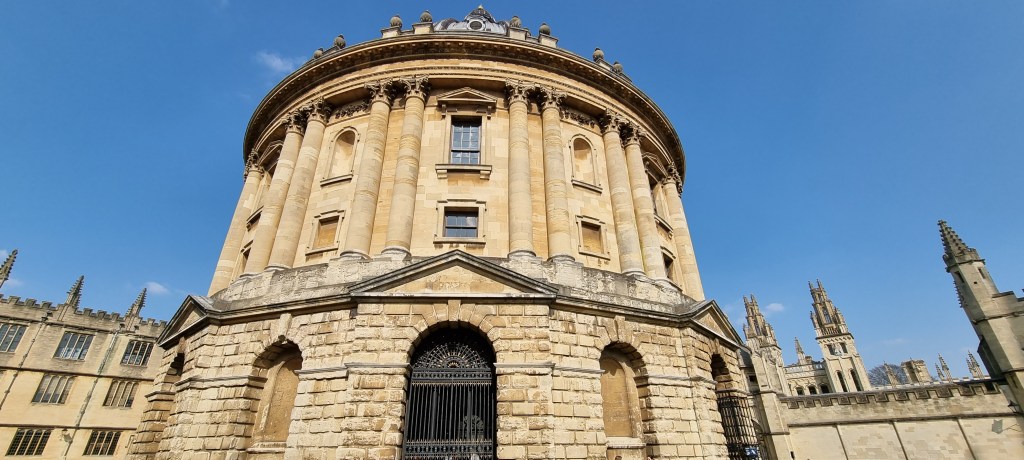
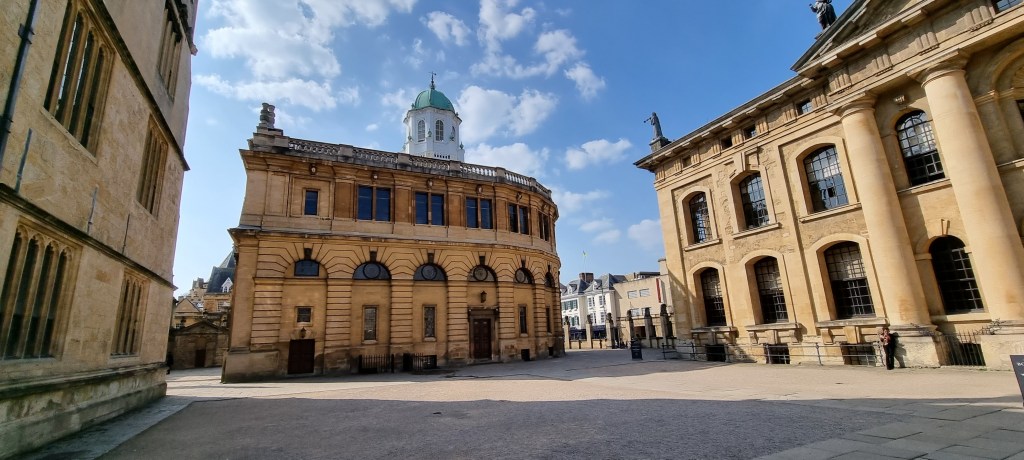
There are scatterings of the old world throughout the lands and even submerged off coastlines. Relics, buildings, monuments and rather grand things to show we missed quite a spectacular time. These are what are being called Tartarian currently, to represent grand things of a time past. It is mentioned on maps and was known as a region, now covering Russia, China and lots of Europe. As the range of photographs from the 1800’s and early 1900’s show, they are all over, and the buildings we have left to speculate on about their true nature, show a grandness and beauty we are simply not capable of today. Or it would appear that way with our modernistic, square and unflattering building techniques. Very much built not to last, or look good in any way, often barely even functioning for its purpose.

In the last 100 years or so, many of these old unique buildings and monuments have been destroyed, burnt, bombed and demolished – throughout various countries. Some of them strangely not long after construction apparently. World fairs being a classic example of build something grand and disposable, quickly at great cost, then tear it down. Although some of the ‘temporary features’ built still stand today. But we lost the skills of that time it would seem. And world wars seemed to have served as a great cover to get rid of others that would have been noticed and probably stopped otherwise. Ancient, not so ancient and modern alike, sweep and clear missions hold no regard for what has come before.

And of those previous skills, I still find it difficult to get my head around there being enough skilled craftsman, and materials available to find their way to every continent, and multiple countries to build all these architectural masterpieces within what seems to be a relatively short time frame. The similarities are striking. Post offices, city halls, asylums, schools etc. Seemingly way too large for the communities and infrastructure of the towns at that time. Dirt roads and pillared giant neoclassical buildings, for a population of only a few hundred in some cases, or less. Where we are also led to believe people were rather illiterate, and didn’t get pushed into formal education until early 1900s. Someone was writing a lot of letters, or there was a great need for shipping things around small towns though for there to be so many massive post offices. And a big need for overly large buildings, and somewhere to house all the people deemed crazy or unfit for their new society rolling out. Maybe I’m missing something there.

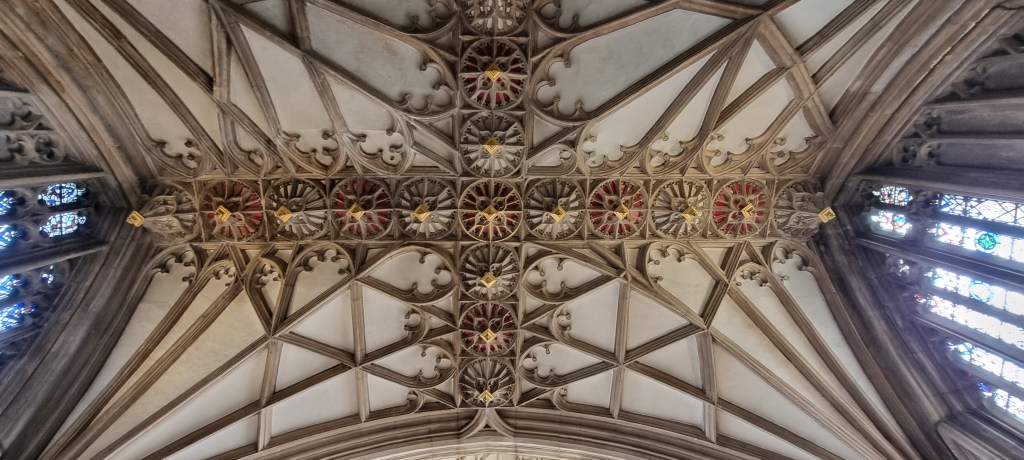
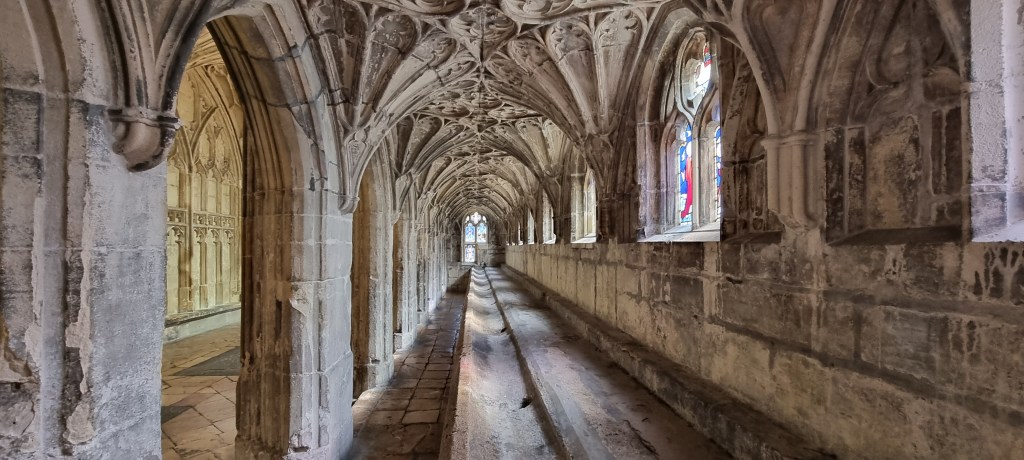
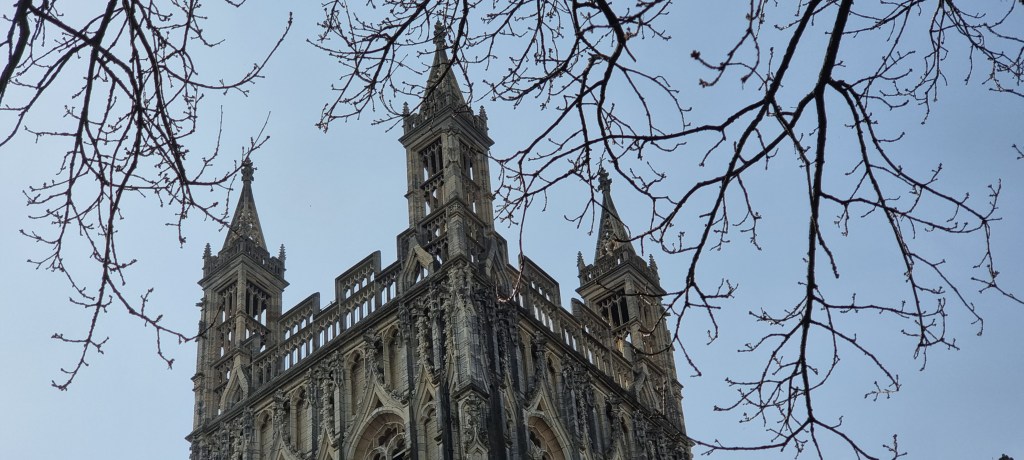
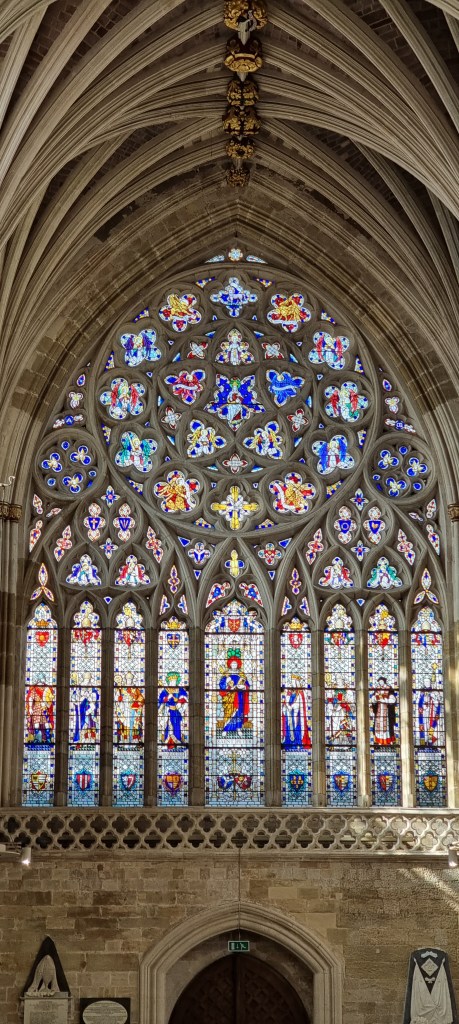
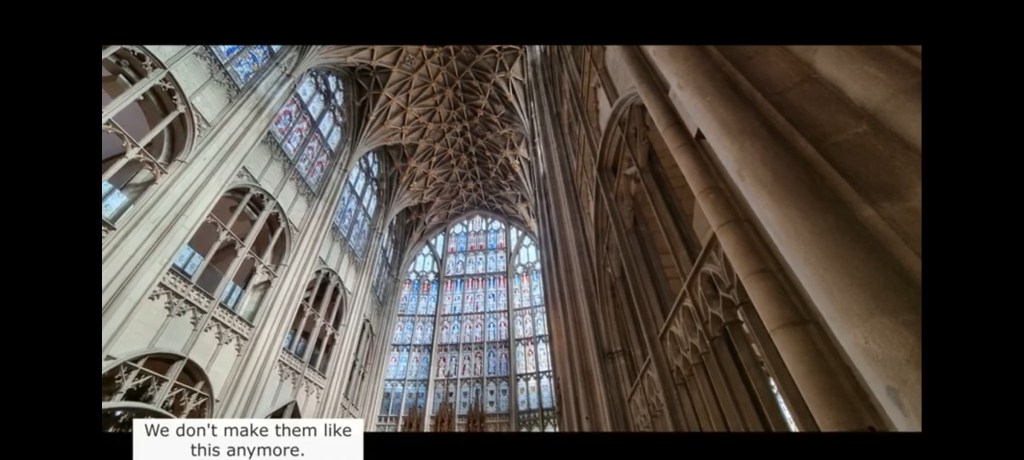
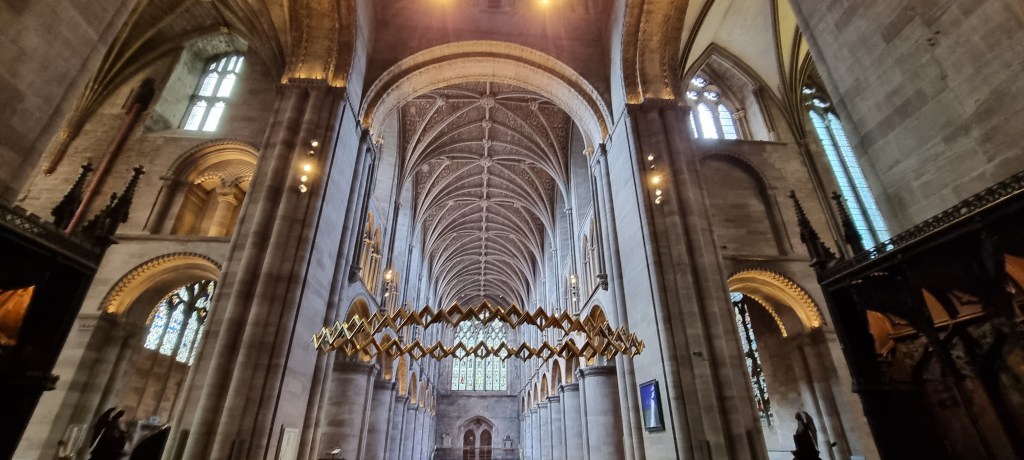
The other rather splendid buildings we have, which are earlier it is said and we also have plenty of, are churches and cathedrals. So even further back, less people because of all the plagues and wars, yet grand building projects requiring money, time, people, skills, construction etc. Seems to defy belief really when you really think it through. Or maybe it’s just the timeline I have been taught doesn’t quite add up, thinking we had Romans building great things, then the skills just disappeared for a few hundred years during some ‘dark ages’, followed by peasants and medieval Europe, the crusades etc. Leading us to believe people again were just poor and busy trying to live, with skirmishes, revolutions, wars and religious domination also occurring. The 1493 papal decree, the inquisition, the church of England split and the war on monasteries. Oh, and chuck in some plagues, huge fires engulfing entire cities, invasions, fall of empires etc. Just seems like what we see, and what we are told don’t quite match up. And we must have had great numbers of people to keep losing millions, every decade and century to what we would call ‘an untimely end’.

When you realise potentially lots of people have been deliberately removed, from either society or the records, it would be much easier to retell it as you want it remembered. Because you would want a certain version of events to be carried down, the chosen history to be taught and retold. Usually children would be very important to that, and being separated from their parents of course, makes this much easier. Funnily enough, there was a fair amount of movement of that nature in the 1800 and 1900s. Check out my article A Train Of Thought for more on that. But again, many countries and continents have moved a great number of children under the guise of for your ‘safety & health’, or for just plain old social experiments or excuses for ‘education’, displacing natives and trying to eliminate cultures, language and traditions that way. It’s a tried and tested method, still going on today unfortunately.

So, given what we know of how those who control society behave, and their methods and motives for things, I find it easy to understand why they wouldn’t want beautifully crafted buildings around to remind people of what came before. Also, whether they are a representation of a mysterious time or not, they are of a previous time and mindset, and one they don’t want people having anymore. To start over, you need to get rid of what came before. And people can be very good at remembering, but only if they actually knew in the first place…

Tartarian Architecture

(c) K Wicks

With purpose, or just folly?

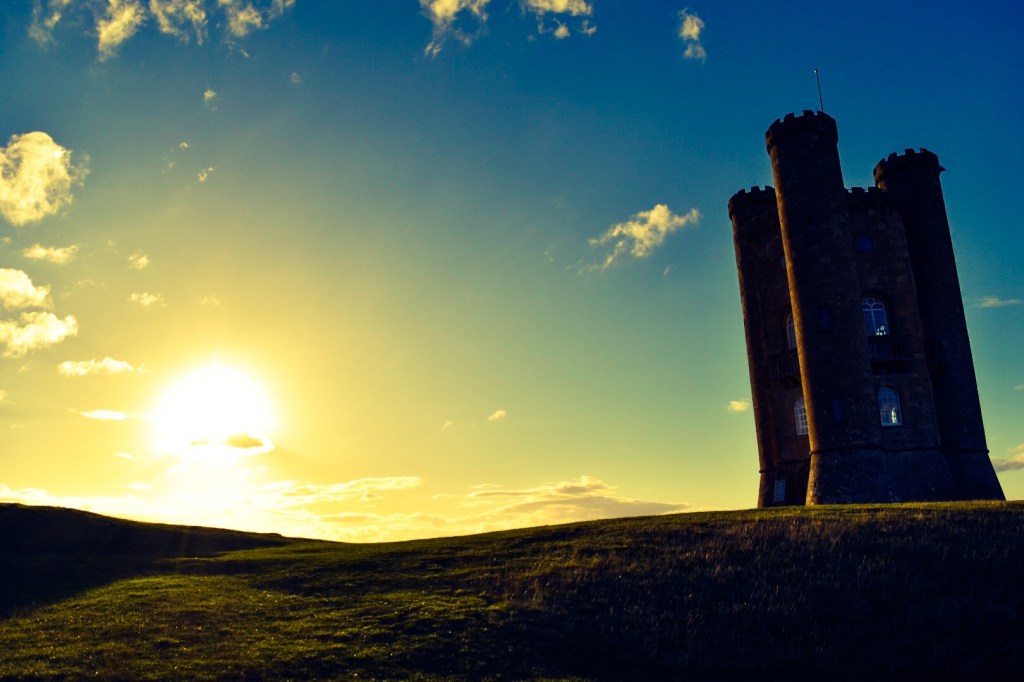
Apparently they are just there to look pretty. With no purpose at all, apart from as a looking tower they say for this one in Worcester. But Folly’s are said to just be there, because someone thought it was a good idea to build something quite elaborate and imposing for no real reason other than they could. And for this one, you can see quite far from the top of that hill anyway, so what were they looking for? Good views obviously.

Broadway Tower, Worcester

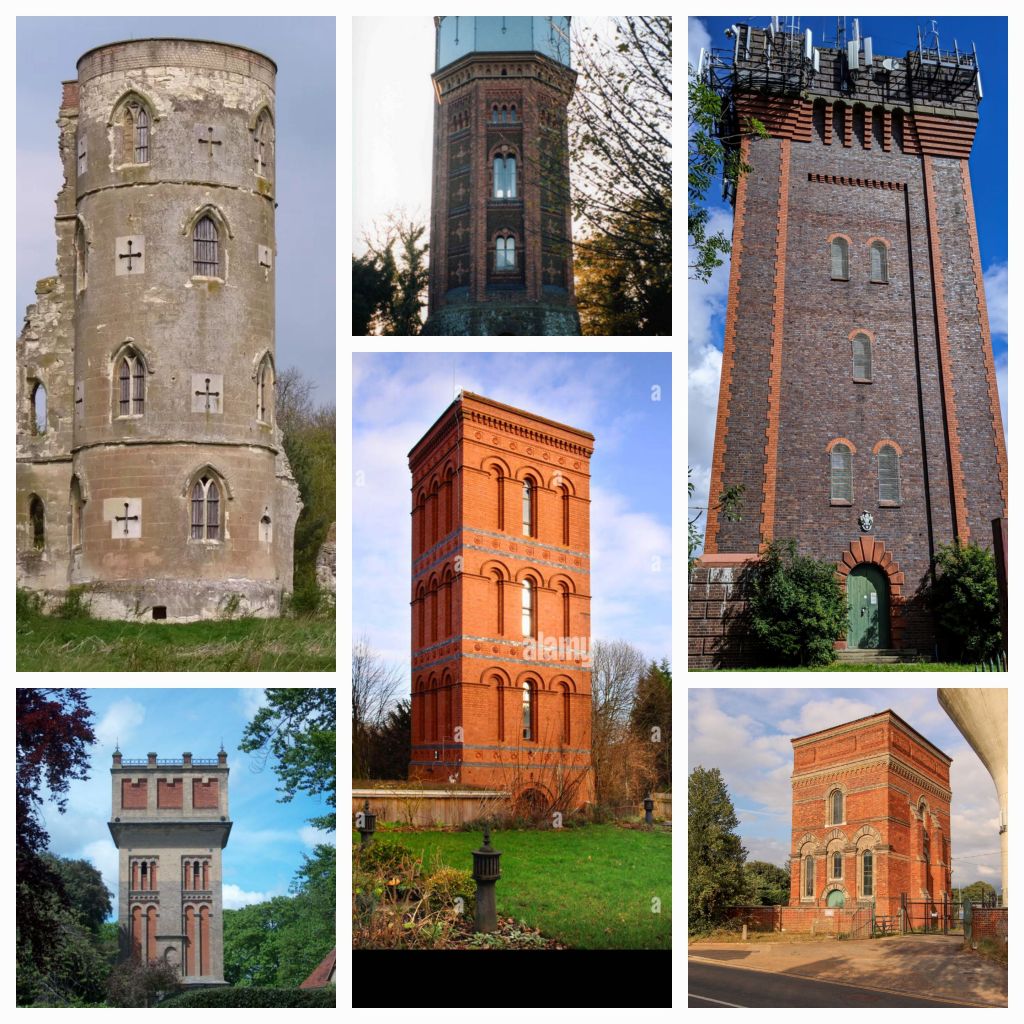
They have a very similar look in my mind to Victorian water towers. Which also look a bit over the top for their purpose, but at least they gave them one to all intents and purposes. Only 5 of these are water towers, I’ve thrown in another folly there if you can spot it.

Maybe it is out of place or stands out to our eyes sometimes, because they are built to a standard and aesthetic we appreciate, but are no longer capable of building. Instead we get used to the grey concrete soulless architecture we now have, and just accept the bland. The times of great are past, it is now Grey Britain, with even the sky struggling to show its true blue nature. But sunnier times will come again, and these dark days were are in now will also become times of old, and long lost tales of the past. I wonder if anything will still be standing from now to show we were ever here…

(c) K Wicks