
Nothing’s Changed…
Have you ever…
Short Story: The Forest
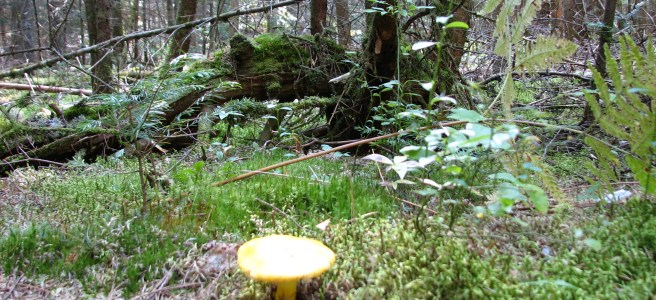

The Forest
by J.A. Sullivan
Before Marie even opened her eyes, she knew she was no longer in the hospital. Her skin was damp with dew. The air felt different moving in and out of her lungs. A deep organic smell of decaying earth filled her nostrils with each breath, nothing at all like the lifeless antiseptic air of the hospital. As she became more aware of her surroundings she became less sure as to whether she was just waking from some terrible nightmare, or just falling into one. Either way she was where she found herself to be and knew she had to open her eyes.
Everything was dimly lit, bathed in periwinkle. Her eyes were trying to adjust to the constantly changing level of light, though she couldn’t say for sure if the sun was dying or being reborn. Her legs were curled under her in a bed…
View original post 2,170 more words
Book Review & Author Interview: The Willing Observer by K Morgan
Book Review & Author Interview: The Willing Observer by K Morgan
https://writingscaredblog.wordpress.com/2018/03/23/book-review-author-interview-the-willing-observer-by-k-l-wicks/
— Read on writingscaredblog.wordpress.com/2018/03/23/book-review-author-interview-the-willing-observer-by-k-l-wicks/
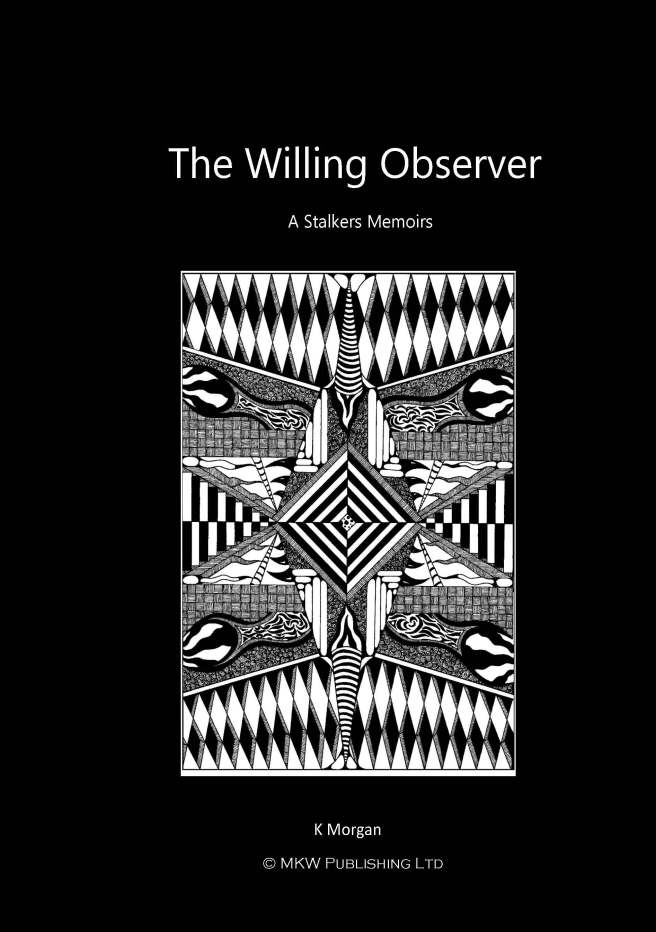
A Parallel Abyss – Excerpt…
A Parallel Abyss (c)
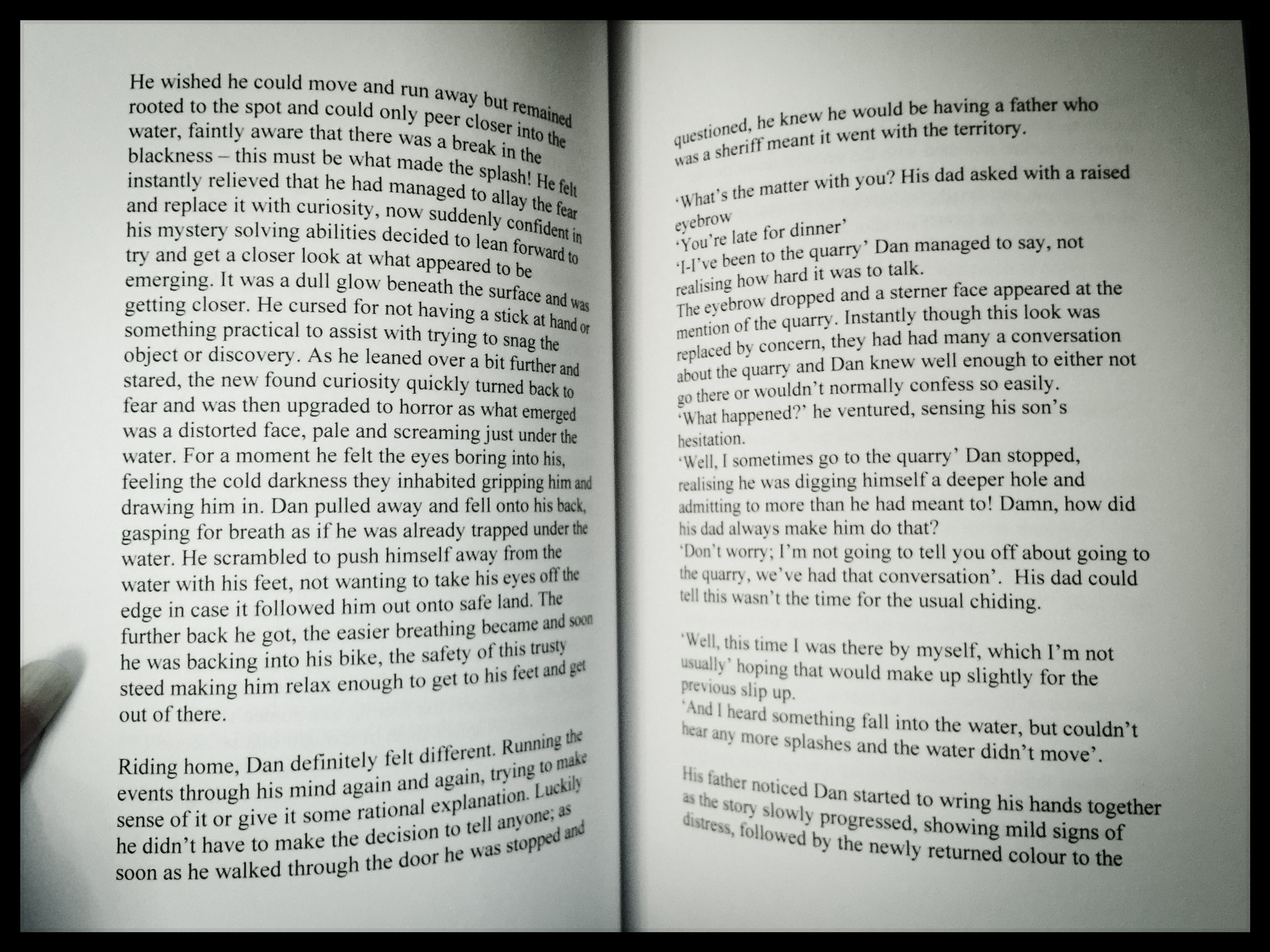
A Matter of Greed…
The Willing Observer (c)
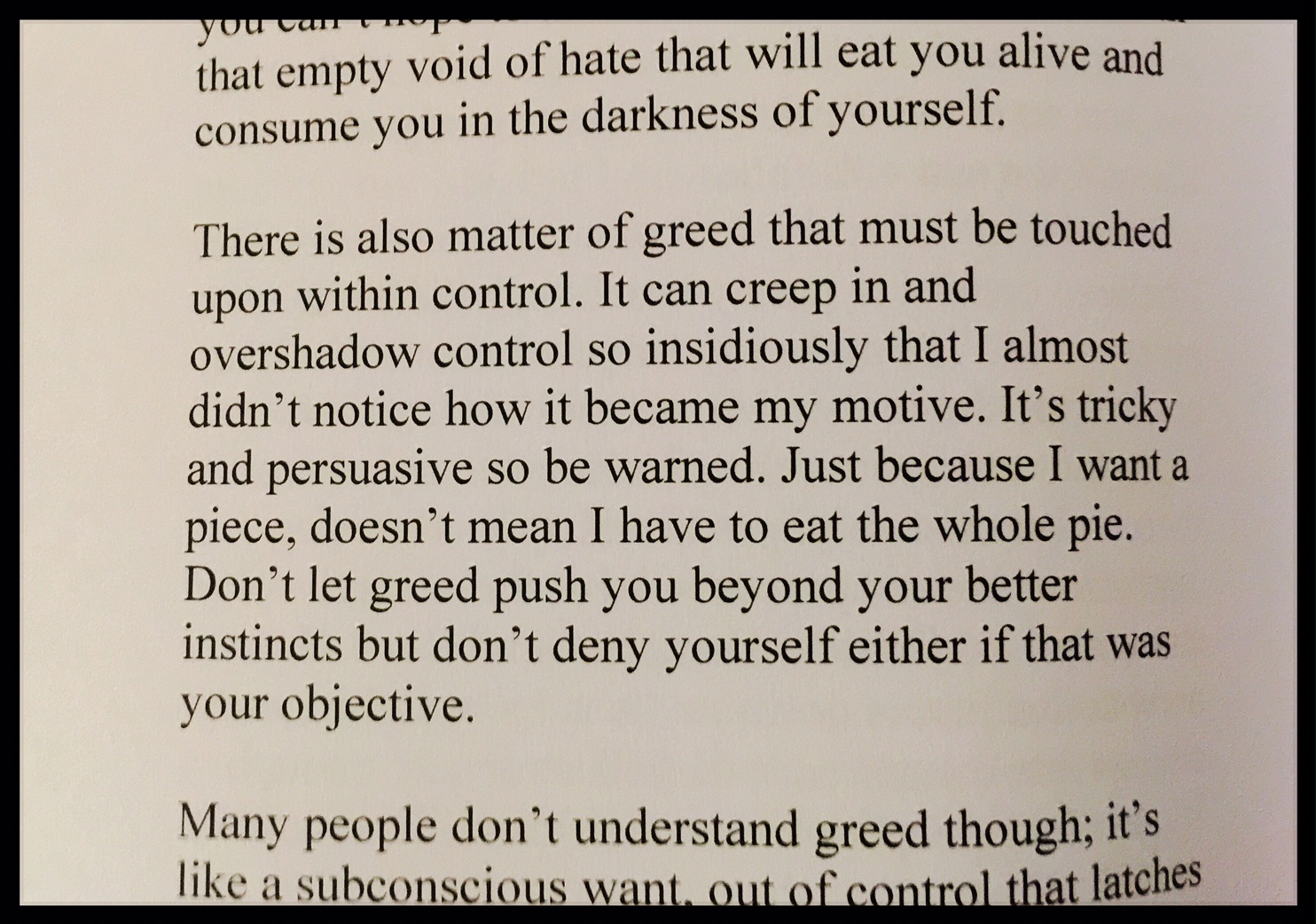
The Nature of Colouring 2…
Un Jardin Espanol – New Release
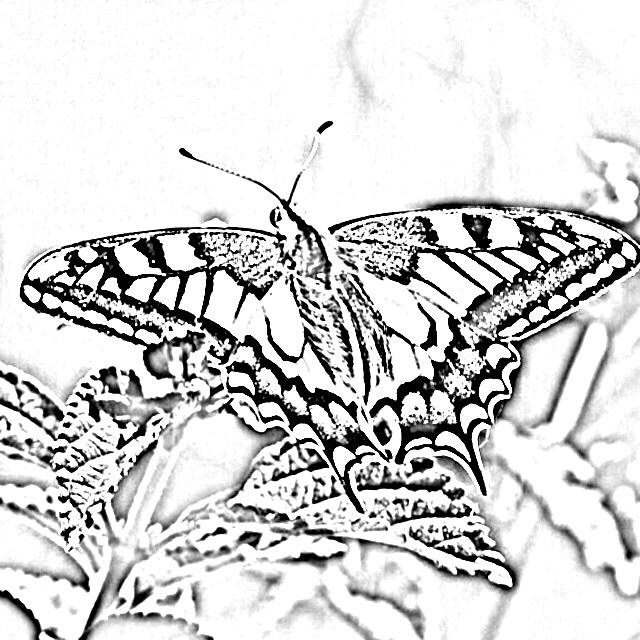
Nature photography of Spanish garden wildlife for colouring in, available at Amazon.
Why Fantasy?

As a rabbi, one might argue that my proper purview in life is things like God, Torah, Israel, Justice and other matters commonly held to be Serious Business. Why then, you might ask, am I devoting my time to something so frivolous as writing a fantasy novel for teens?
 I’m glad you asked, Mr. Rhetorical Straw Man! Here’s the deal: Throughout its illustrious history, the Fantasy genre has often been maligned as a form of escapism. Those who read fantasy, the argument goes, are unable to deal with reality and so escape into an imaginary world where they don’t have to deal with their problems. This argument is problematic for several reasons – first, and rather ironically, it paints reality itself in a really negative light. If reality were genuinely so bad that people had to resort to fantasy novels to escape from it, then it seems as if that…
View original post 782 more words
Aphantasia
A concept that most may find quite far removed from their ordinary thought process. How many times have you heard a sentence start with or have said yourself ‘now imagine’… Well, some people can’t. Literally.
Now imagine (!!), not being able to conjure up any image when you think. No mental picture to refer back to or ‘see’ in your mind. A total lack of what they call ‘the minds eye’. This was only discovered relatively recently in 1880 an not even investigated until 2015, when the name Aphantasia was given. For a literal translation from the Greek meaning, lack of fantasy. (A = lack of, Phantasia = Fantasy).
No visual memory system, no dreams, no pictures of any kind to accompany thought and no imagination for what isn’t there. That is where i was completely stunned, to think there are people going through life without these things at their disposal to guide, assist or help. I rely heavily on my visual memory for many things, useful and otherwise. From a early age I retain the information for films, as soon as I hear the title the picture of the cover comes to mind, I see the names, the style and then follows the other information as if I were looking at it again but fuzzier – year it came out, director, story line etc. Even for films I never actually watched, just looked at. Now if I could transfer this kind of memory to something practical it would be great, but at this time it seems to have specialized itself for one main task.
But i am so intrigued by the other side, to not have pictures in mind, to not see dreams visually or be distracted by images long since past or that aren’t even real. Why do our brains concoct fantasy so readily and so easily, why is it that 98% of the population (rough estimate at this time as it is not known how many people really have this variance) have an ability to escape from reality, a hardwired ability to imagine, pretend, fantasize, lie to themselves and everything that seems to go with it. I can see how that might be an advantage. Self denial is sometimes self preservation for us imaginers.
Only 2% of people are thought to have this different thought process, to see the world as it is to them, no frills, no fantasy and no pretend. Don’t get me wrong, visual stimulation works just as well as it does the rest of us with people, TV and modern distractions, but not after the event from what i have learned. Once it is gone, it is gone. Therefore leading to more enjoyment of the moment. No thought of what might come or of what has been, purely being in the moment. I don’t think i know how this feels, there are always thoughts in my mind and thoughts come with pictures, and they distract me into more thought. And there the moment is captured and replayed later, not enjoyed fully at the time. I knew most people thought differently and had all sorts of variations in imagination and creativity, but this is more fundamental than that. I got so much enjoyment from fiction and reading all through my life because i can imagine, because my brain can run away with itself and get lost somewhere else. And recently I had to try and justify and explain why this is, and for the life of me I just couldn’t understand why I was not being understood, if someone doesn’t imagine or see pictures when reading, then no amount of words is going to explain what it is like. There is a massive gulf between these thought processes and I am still trying to work out how this affects everyday life, learning and thinking. It may take some time…
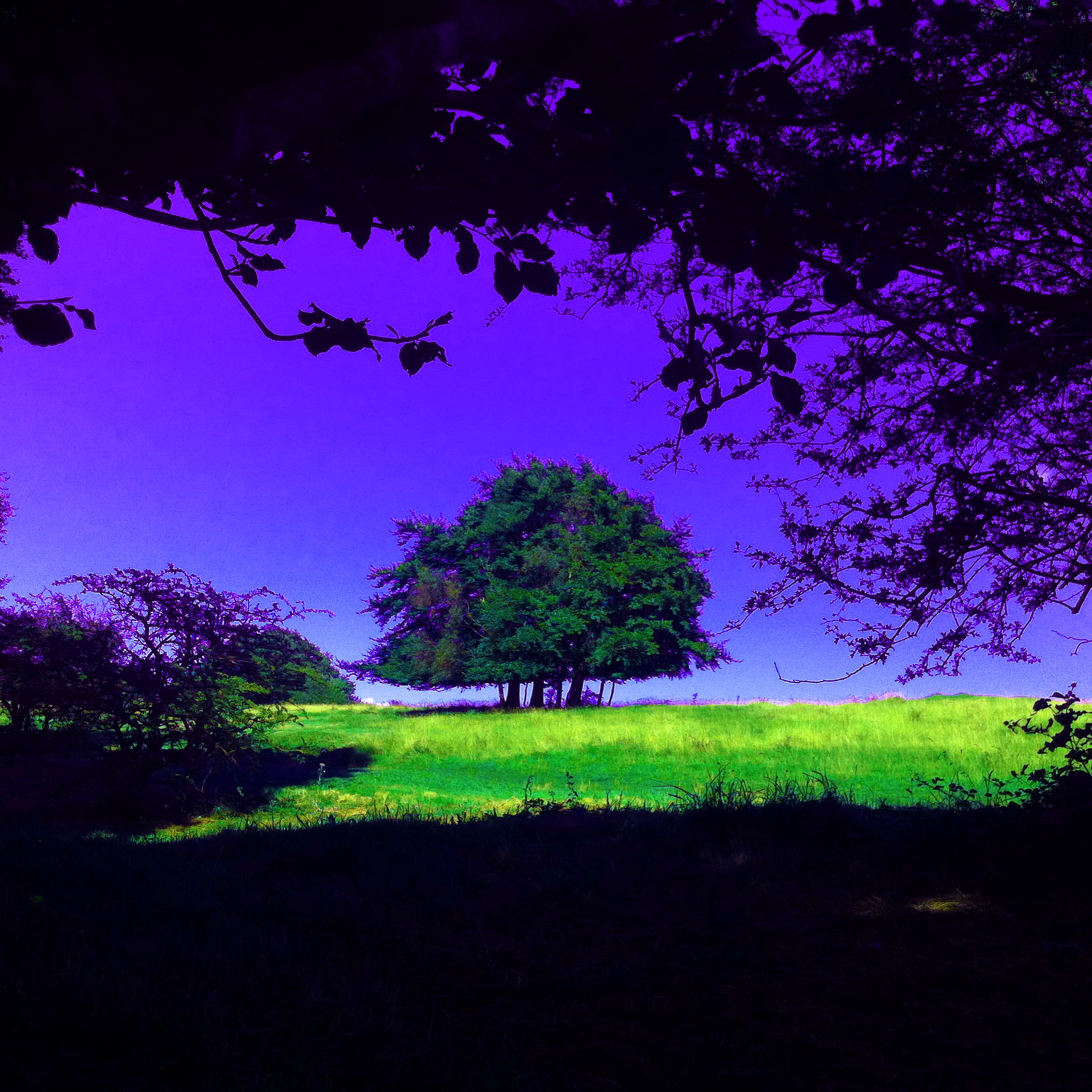
(c) K Wicks
 MKW Publishing