Neolithic Adventures – The Long Stones

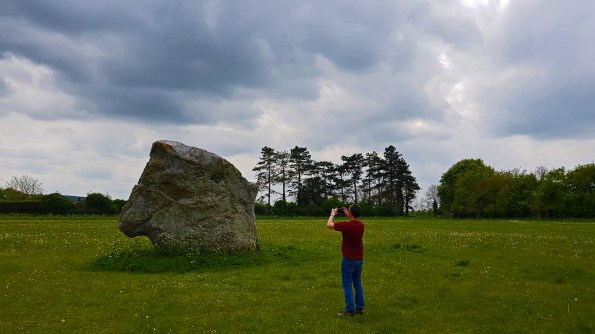
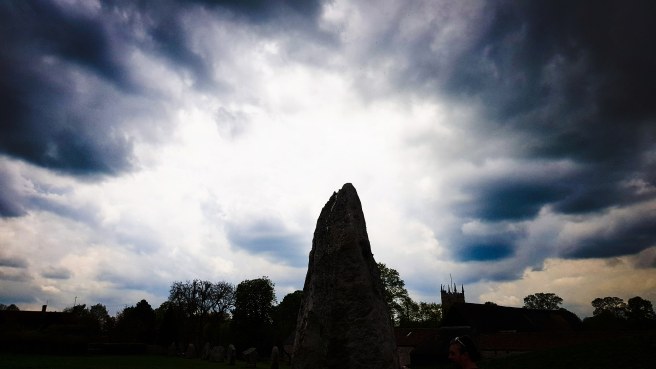
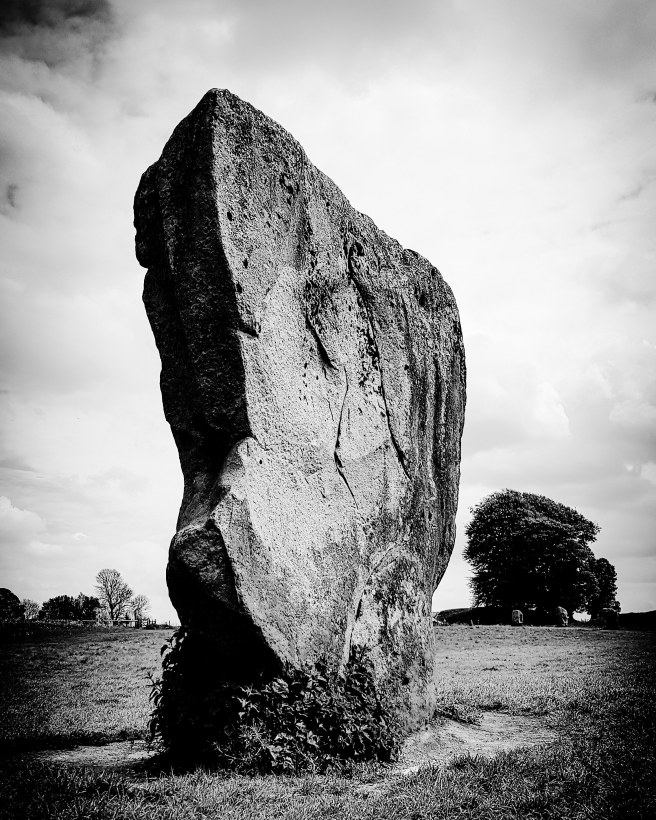
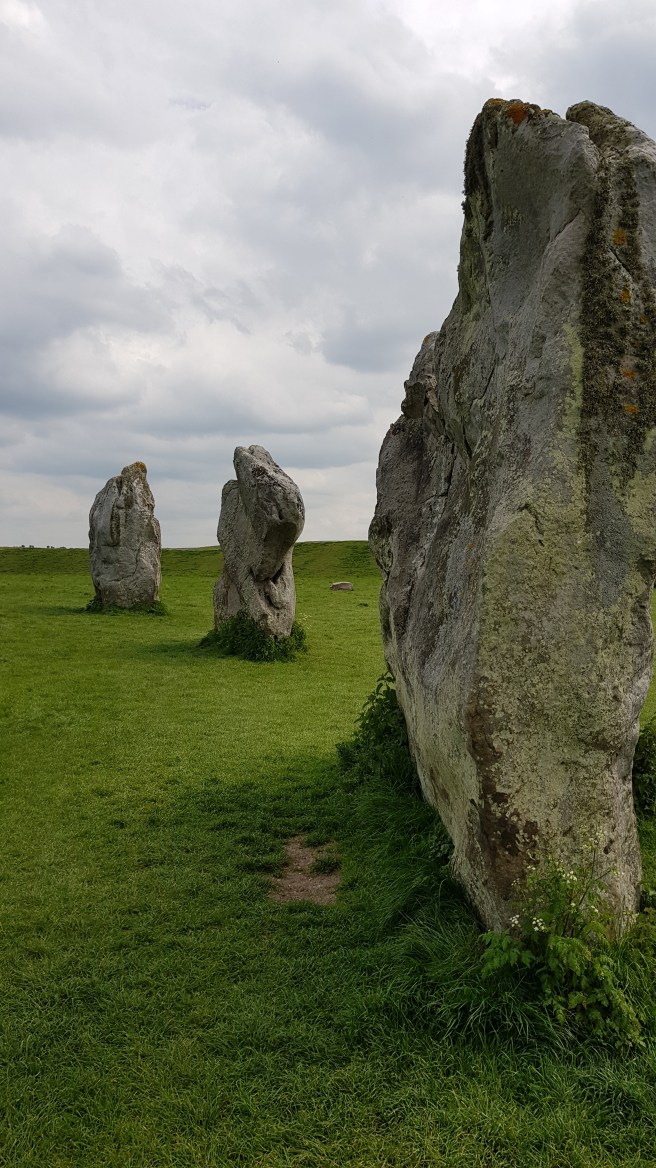
Just outside the official stone circle of Avebury, there are two random stones that have been left in a field about a mile away on the edge of Beckhampton, called The Long Stones. Apparently once these stones were of a much greater number leading directly to Avebury, but having been used as building materials for years, only a few survive.

Long Stones #1.jpg

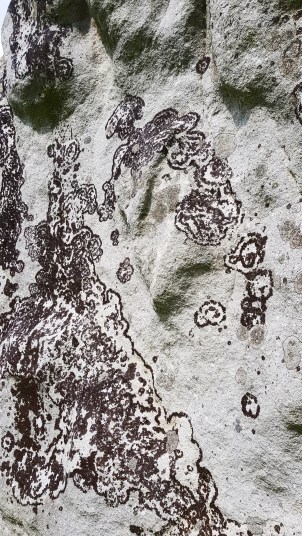
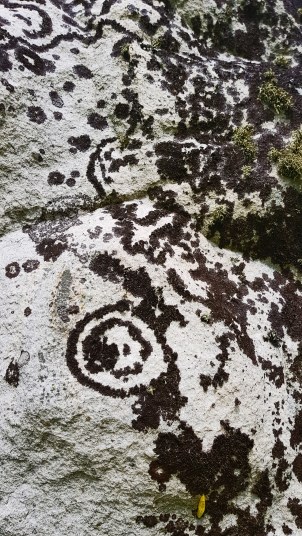
I’m not one to usually see shapes in things – but this definitely looked like a horses head to me. Also an interesting feature, the concentric circle and spiral lichen covering part of the side. Nice.

Long Stones #3.jpg         Long Stones #2

It’s hard to imagine these stones in context, with our modern roads either overtaking or ignoring ancient routes, letting them overgrow and disappear. Many stones being incorporated into farmers field borders (saw a few in Cornwall), or used as walls for residential properties. When you walk around these areas and look at the stone used, really look, you can see where it came from. But we need stone and should recycle, so I am slightly torn by this. It’s harsh and logical at the same time. And I wonder, if we didn’t make any money from the tourism on these ancient sites, would we even bother to keep them now…

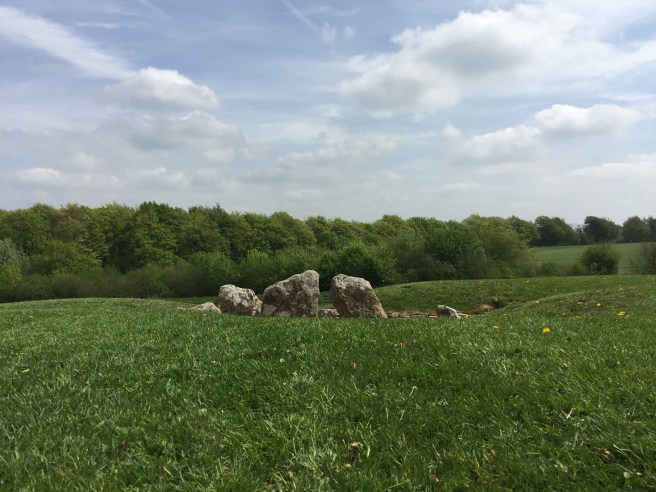
But given the size of what we have left, it much have been quite impressive back then.

Long Stones #4.jpg


(c) K Wicks

Neolithic Adventures – Silbury Hill

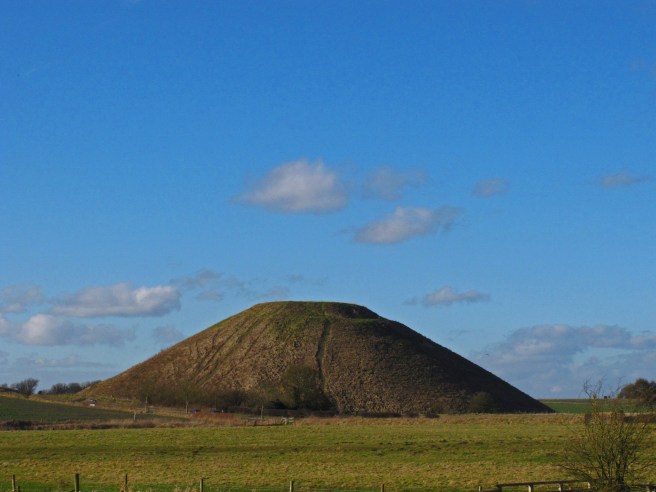
Silbury Hill in Wiltshire. It’s not known when this chalk earth mound was ‘built’ or put together, or why. It’s huge and can be compared in size and height to the ancient pyramids. Sat in between Avebury stone circle and West Kennet Long Barrow, it’s right in the middle of the neolithic history but we still don’t know how it fits. Clearly visible as you walk up the hill to the barrow, it really is a sigh to behold. I just don’t know why.

IMG_2929

Apparently dating to around 4,500 years ago, with no burials found inside, it remains another of the landscapes mysteries.

(c) K Wicks


Neolithic Adventures – Stonehenge…

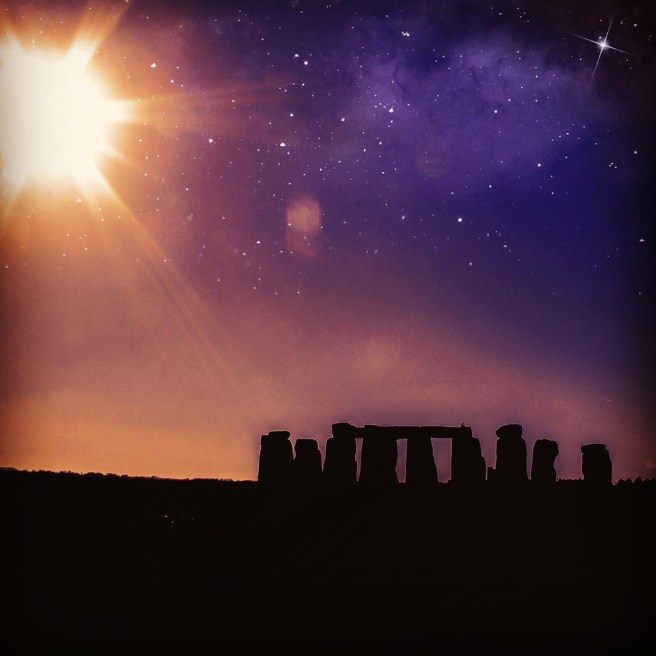
This is the most famous stone circle, and we have been lucky enough to visit a couple of times. On our first visit, we walked round the outside of the stones like everyone else. Wowed at the size and arrangement. Surprised at their seemingly remote location in comparison to where we put structures today. It really is difficult to understand why and how. Our building projects today have architects, engineers and builders at a minimum, so it’s reasonable to think they had the same. This took time, effort and planning, as with all the ancient sites. And quite the feat it was.

edited #1

Some of these neolithic stones are believe to have come from Wales, the method of how they arrived is still debated, it is even told the stones came from Ireland. Although some are local as well. We also have a legend that the wizard Merlin levitated the stones to where they originally sat, so who can say for sure. All stories start somewhere and often have a basis of truth…
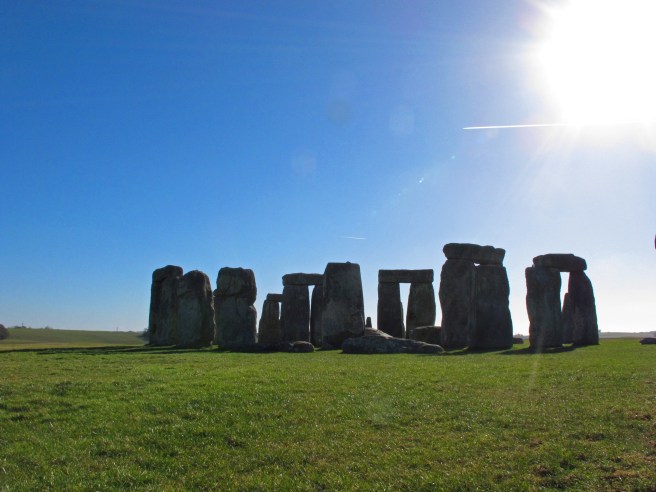
formatted

It was special to see. But it was not enough. My husband really wanted to be closer, to get within the inner stone circle of Stonehenge to be among the megaliths – without having to do it only twice a year when everyone else does on the solstice. So we looked online and found a private tour company called Stonehenge Tours that can give you the experience of getting up close and personal. It’s cost more than the standard entry fee, but it’s worth it.

Over 5000 years of history right in front of us, (if you try and ignore that most of these sites have been reconstructed and excavated a number of times in the last few hundred years), and no-one in the whole world can conclusively say why or how. It’s exciting and maddening all at the same time.

IMG_2121

Walking around within the stone circle was a different and much better experience, even though you are in a group, everyone was in awe of where you were, it was easy to forget anyone else was there at all.  You also get to truly appreciate the scale and size of these megaliths. They are giant.
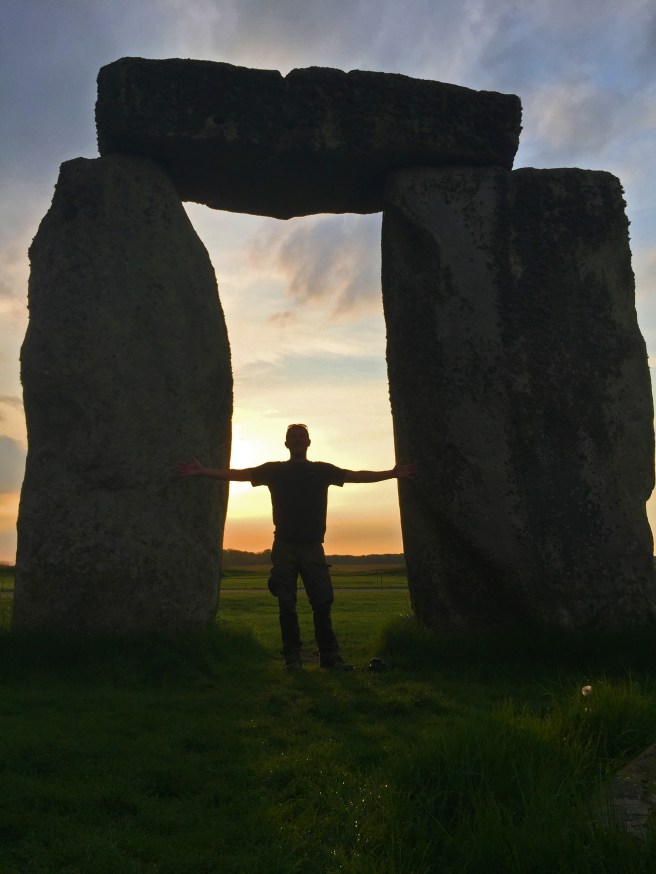
edited#2

It really is hard to understand why there are so many neolithic sites across the country and Europe that follow the same design, maybe not Stonehenge, but certainly a lot of our others. Why did they stop building with stone? It obviously stands the test of time better than any other material. Somewhere along the line something was lost and these structures and sites are all we have left. We can’t get enough of these places and want to keep going back. Stonehenge is even on the list again, but there are so many more sites to investigate and discover that we may be some time…

(c) K Wicks

Neolithic Adventures – Avebury Stone Circle…

I have visited Avebury before but it takes nothing away from seeing it again.  It is the world’s largest stone circle and is impressive. Odd because it has a village and a road running through it, but impressive none the less. The main stones are surrounded by a vast ditch and bank, but they also spread out over the village and in the adjoining fields. A number of the stones unfortunately have been quarried or are missing, but when you see the size of them, not only is it hard to imagine how they got there, its quite a feat to take one down.

IMG_20190507_182704_005

These sites remain a mystery as to who built them and why. Again the words ceremonial and ritual arise time and again with the current popular theories, but they never really  provide a real explanation. To me these sites are unexplained.

IMG_20190509_190144_390

Not just your average stones…

20190507_131725

(c) K Wicks

Neolithic Adventures – Nympsfield Long Barrow

So the next stop, literally a ‘stones throw’ away from Hetty Pegler’s Tump, is a more excavated and open site called Nympsfield Long Barrow. Not quite in the covered over state as some the others, but still great to see. Again it’s very hard to see this sites as tombs or graves, especially as some of the other neolithic settlement sites follow a similar design. The Skara Brae complex in Orkney is one of them.

IMG_0262

Situated on an open piece of land at Coaley View Peak, the surrounding views and countryside are stunning, and it’s extremely close to Woodchester Park, site of an incomplete Gothic mansion and nature walks. It’s hard to believe these are the only remnants of the ancient past, maybe there are more waiting to be discovered…

IMG_0267

(c) K Wicks

Neolithic Adventures – Hetty Pegler’s Tump…

So back in 2015-2016, we decided to start taking in some of the history we talked about and were interested in. The Romans are a little recent for our taste, although there is no small measure of that if it’s your thing. But for us we liked a few thousand years further back. It began. But now find ourselves wanting to go back and revisit. We’ve been abroad since then for a bit and seen some other sites. It raises more questions. So, the next round of neolithic adventures of visiting the ancient sites of Britain starts. After finding out how many sites there really are, it may take a while…

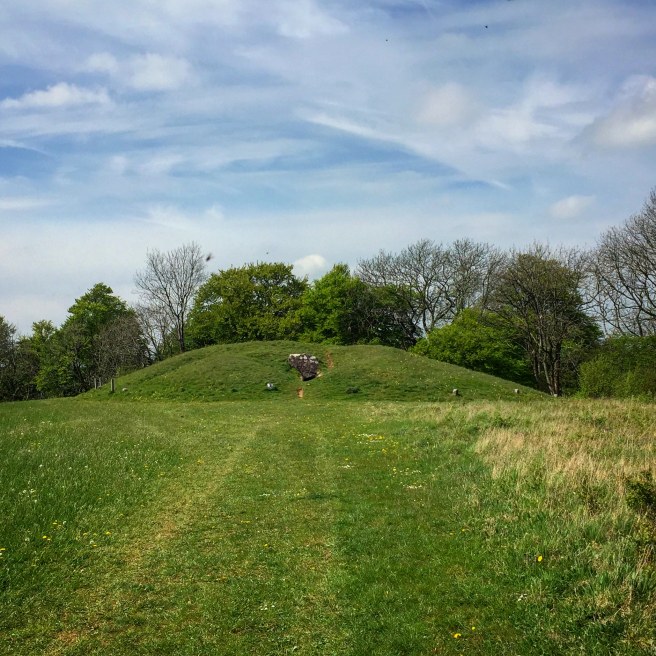
We started local. I hadn’t realised I had settled so closely to so many ancient sites. Even walking my dogs for years just by this gem and not even knowing it was there. Also known as Hetty Peglers Tump (after the landowner Hester Pegler in the 17th Century), Uley Long Barrow has long mystified us as to it’s purpose along with all the others (and there will be more). Burial mounds, tomb and ceremonial are all words that have been attributed to these structures, but having visited a number of them now, the effort doesn’t seem consistent with it’s purpose.

Most of these are collapsed and have been looted and excavated over the years, with many being reconstructed to how we see them today.  As below, we were treated to some great weather and it’s initial view is impressive. The pictures never quite capture the magic at these places or really how pretty the surrounding are. I hope this one goes a small way to convey that.

Hetty Pegler front view

It’s tucked at the back of a field literally just off the B4066 between Stroud and Uley, if you ever happen to be passing that way.

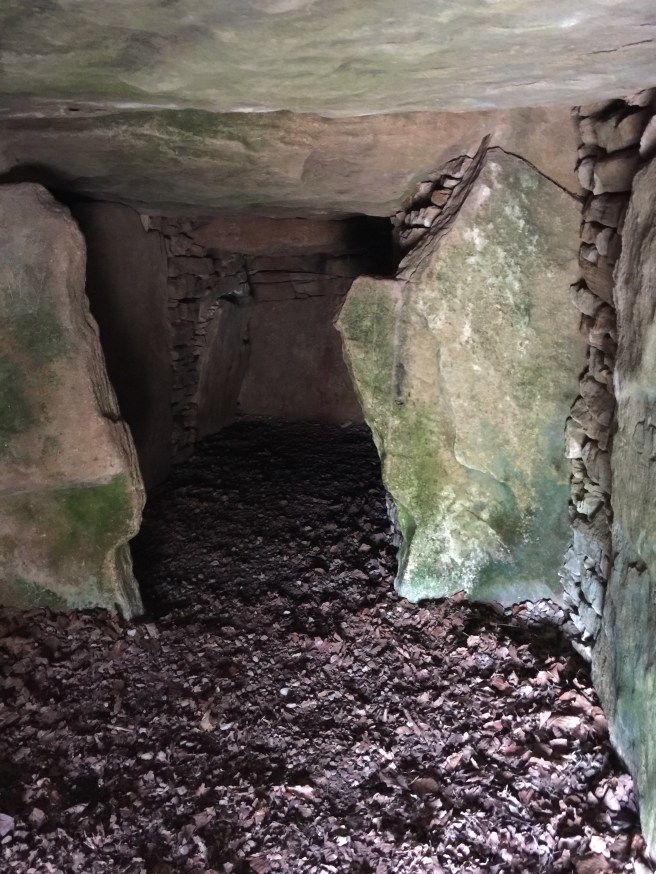
Inside what they call the chambered tomb lies some very large stones. The most impressive ceiling stones seem to overshadow the ‘smaller’ huge ones to the sides. These create separated rooms and not the stuff of graveyards in my opinion.

Hetty Pegler internal

They may have no conclusive answers at this point, many people have many theories about these sites, but we struggle to know what happened in the dark ages less than two thousand years ago, so to think we have the answers for over 5,500 years ago is quite a stretch. But you never know…

(c) K Wicks

Stonehenge…

It was my husbands suggestion for us to go, we have a mutual interest of history and archaeology, his for ancient sites, mine used to be more recent encompassing from the time of the Romans through to present day. That is the bulk of what i was told about growing up, what we were taught at school and led to believe was ‘accurate’ history, but seems more to me now as lots of guesswork and a just a few shreds of evidence, albeit one sided. We arrived at Stonehenge as part of the normal daily lines of sightseers, funny when i thought how close i had lived for years and never been. It was very impressive, i won’t lie. The stones looking stark against the flat surrounding landscape and the people looking so much smaller than i thought they would, the stones were huge. But so close, yet so far away, the lines and pathway led us round and back away from the stones. It was great, but not enough. Unwilling to visit on either solstice due to the sheer numbers of people, we felt we needed to be able to get up close and really see the stones. A bit more research and we found that you could book to go on a private tour and actually walk through the stones after it closed to the public. That was more like it. So we did, we went back and got to walk up The Avenue, leading us to an epic view on approach, got to be among the stones and really see them up close. Although told no one was allowed to touch them, we made a point of touching them, that was our intention before even going, after all, these were thousands of years old and they allowed people to climb all over them twice a year. I knew i wasn’t about to topple one of the oldest monuments we had. And it was worth it.

When we started going to ancient sites, we realised it was different from more recent history. No-one could say for sure what these sites were for, who built them or even how they built them. No writing, no history from either the winners or losers of this time, just the stone left behind. We are unable to move these stones with today’s machinery and technology, yet do not give them the attention i feel they deserve. This is an ancient mystery of epic proportions. There are sites all over the world, strikingly similar sites which show that apparently unconnected people, all took up the same method of building and created megalithic structures still very much standing today. Followed by pyramids found all over the world too with no real idea of where they all got the same idea at the same time. You have to see for yourself and make your own judgement.

Stonehenge ps

(c) MKW Publishing 2017


Indiana Jones…

I loved the Indiana Jones films as a kid, the adventure, the mystery, the danger, the uncertainty and the nice tidy way they explained everything nicely by the end. So of course, i took to wanting to be an archaeologist. But as I got older I watched Time Team as much as i could, went out into the countryside and museums when I could and tried to work out theories from the very little evidence there appeared to be for things, despite years of study and research, there seemed very little to go on. It was disheartening but at the same time quite helpful. I started to understand that no-one actually knew the answer of long past historical events, it was mostly conjecture. These ‘educated’ people who had told me what history had been, just put forward theories and then tried to prove them, sounds scientific enough, but what you find with historians is that they seem to really believe all of their theories before they ever get proved, and proving them to be true is no longer the point.

I prefer to visit a site without a guide or host trying to tell me what it is, who built it and how it was for ‘ceremonial and religious purposes’ because they just don’t know. Neither do I, but i like the fact that it’s still up for grabs, the ideas of what may have been and why are there for the taking, if only we  could look beyond what we think we know…

IMG_1569

(c) MKW Publishing 2017