
This is a follow-up article to The Death of the High Street, because that was written in 2019, before a crippling blow was dealt, and as I pointed out in that article, it felt more like the suicide of the high street rather than just the death of. But I figure now, it was helped along to be that way. Businesses have been going on about rates, rents and other things that councils and governments imposed on them, a slow drip of licenses, regulations and rules. Now we see the farmers making noise, and various areas of society have over the years, tried to sound some kind of alarm but it would have always been overwritten, made about pay, or simply dismissed.
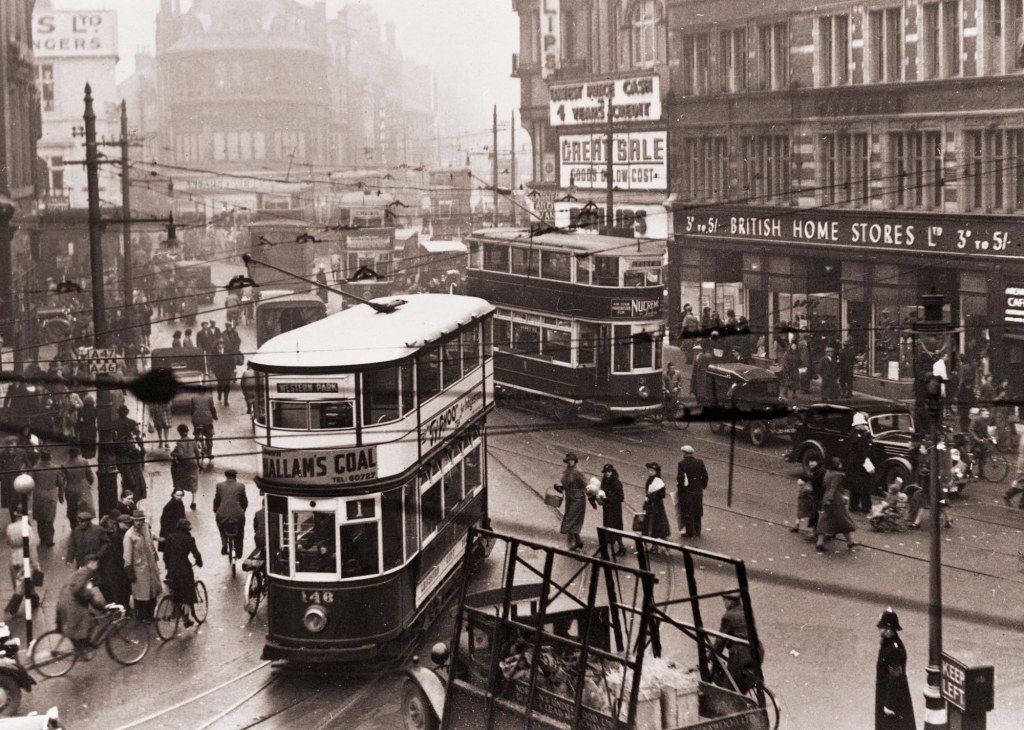
The high street though used to be an integral part of communities, the hub of an area, of trade and economy. Albeit a structed one that previously was created and imposed on people, but with at least it seemed, a small semblance of people in mind and their needs. Now those are firmly ignored in place of a corporate model for all areas. High streets becoming a long line of corporate chains, making them beholden to a parent company, and the other shops that have been allowed to take hold, appear to be front businesses. Where the footfall doesn’t quite appear to be enough to sustain such a premises, and they were always there, just different products on show.
But it seems people weren’t really prepared mentally for the shift that occurred, when most of the businesses of this country were told to close their doors. Shops, offices, schools and all the other trades where people need to work to earn money to survive. A crafty move when you look at it as a bold strategy to change the face of society and community in one foul swoop. Re-organising how people work, disrupting and dictating how and if they can travel, deciding if you were allowed to see loved ones or not, even on their deathbed. Because of course, no-one could overlook the fact that the hospitals also chose to close and, in some cases, actually barricaded their premises. Sounds unheard of in a ‘health crises’, but makes sense when you look at the bigger picture.
And the bigger picture for this angle, is that clearly they don’t want self-sustaining towns and cities where the people just get on and get by, not having to check in every five minutes, and taking control of their own communities and areas. The 15-minute corporate makeover being pushed in all areas of the globe should be of great concern to people, because what they are doing is destroying what we have and what worked perfectly well. To then rebrand, repackage and repurpose it for their benefit, and try and offer it as a better and brighter solution. Just as they did when they convinced people before they needed to have councils, schools, taxes and people to tell you what to do. To outsource responsibility and your life to them, making people dependent on those ‘services’, changing the way people think towards care, education, health and generally towards life. Outsourcing all of those things along the way, and now paying dearly for it it would seem in more than just monetary terms…
(c) K Wicks
 MKW Publishing
One thought on “High Street or Low Street?”